National Association for the Education of Young Children | NAEYC
  • Home
  • About NAEYC
  • Affiliates
  • Newsroom
  • Advertise
  • For Families
  • Contact Us
  • Membership
    • Overview
    • Benefits and Options
    • Member FAQ
    • Comprehensive Membership
    • Interest Forums
    • Join or Renew
    • Login
  • Publications
    • Overview
    • Books
      • Overview
      • NAEYC Online Store
      • Bestsellers
      • New Books
      • Author Q&As
      • Supplements
      • Writing a Book
        • Submitting a Proposal
        • Style Guide
        • Being Accepted
        • Sending the Manuscript
        • Editing/Proofing
        • Obtaining Permissions
    • Young Children
    • Teaching Young Children
    • Early Childhood Research Quarterly
    • Voices of Practitioners
      • About Voices
      • What Is Teacher Research?
      • Teacher Research Articles
      • Teacher Research Initiatives
      • Teacher Research Resources
      • Supporting Teacher Researchers
      • Manuscript Guidelines
    • For Authors and Photographers
      • Writing for Young Children
      • Writing for Teaching Young Children
      • Writing a Book
      • Writing for ECRQ
      • Writing for Voices of Practitioners
      • Writing for families.naeyc.org
      • Frequently Asked Questions
      • Photograph Submission Guidelines
    • Permissions/Reprints
  • Accreditation
    • Overview
    • Accredited Program Search
    • Programs for Young Children (Academy)
    • Associate Degree Program (ECADA)
    • Bacc./Grad. Degree Program (NCATE)
  • Conferences
    • NAEYC Annual Conference
    • National Institute for Professional Development
  • Professional Development
    • About Professional Development
      • CEUs
    • Online Learning
      • Creating Classroom Portfolios
      • eLearn: TYC
    • Face-to-Face Training
      • Developmentally Appropriate Practice
      • Communications Skills
      • Assessment
    • Training DVDs
    • Accreditation Training
    • Conference
    • Institute
    • Training Resources
  • Public Policy
    • Overview
    • Take Action Now
    • Strong Start for Children Coalition
    • Federal Developments
      • Updates and Alerts
      • Federal Recommendations
      • Federal Programs
      • American Recovery & Reinvestment Act
    • State Trends
    • Early Childhood Workforce Systems Initiative
      • Overview
      • ECE Workforce Data Systems Meeting
      • Technical Assistance Professionals
      • State Policy Blueprint
      • Database of State Policies
      • Professional Development Definitions
      • ECWSI Peer-to-Peer Exchange
    • Effective Advocacy Resources
    • Government Links
  • Topics
    • Anti-Bias Education: Holidays
    • Back to School
      • Great Books for Teachers
      • NAEYC Online Q&A Schedule
      • Welcoming Children and Families
      • Resources for Administrators, Faculty, and Trainers
    • Common Core
    • Coping with Disasters and Tragedies
    • DAP
      • Overview
      • DAP Position Statement
      • DAP Books and Resources
      • FAQ
    • Ethics
    • Family Engagement
    • Guidance
    • Music
    • Nature
    • Obesity Prevention
    • Play
    • Research
    • Summer Learning
      • For Teachers
      • With Children
    • Technology and Young Children
      • With Infants & Toddlers
      • With Preschoolers & Kindergarteners
      • With School-Age Children
    • Response to Intervention
  • Member Login
  • NAEYC Online Store
  • Position Statements
  • Get Involved
Home > DAP with Preschoolers

DAP with Preschoolers


DAP with Preschoolers, Ages 3–5  


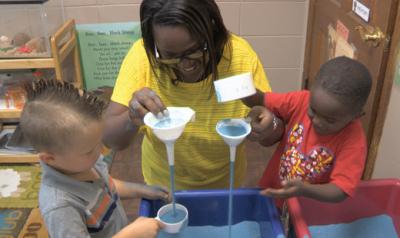
Preschool children learn best when they have positive and caring relationships with adults and other children; when they receive carefully planned, intentional  guidance and assistance; and when they can safely encounter and explore many interesting things in their environment.

Children enter preschool with different strengths. One child might love picture books and already know lots of letters but have trouble with social interaction. A classmate may find it easy to initiate play and share toys yet have almost no experience with books and reading.

Preschoolers

  • thrive when they can experience new materials, roles, ideas, and activities—especially in pretend play;
  • take great interest in feelings and become better able to express their emotions and identify those of others;
  • make important cognitive gains that invite them to represent their world in pretend play, symbols, objects, drawings, and words; and
  • show astonishing gains in language skills.
 
Teaching Preschoolers  

Good preschool teachers maintain appropriate expectations, providing each child with the right mix of challenge, support, sensitivity, and stimulation. With their knowledge, skill, and training, teachers—in collaboration with families—can ensure that programs promote and enhance every child’s learning.

Let’s see what DAP in preschool looks like:

In the dramatic play center, two 4-year-old girls are pretending to read menus. Maria, noticing  that neither girl has taken on the role of waiter, takes notepad and pencil in hand and asks them, “May I take your order?” Over the next few days, more children join the restaurant play. Waiters set tables, take orders, give orders to the cook, and prepare checks for diners.

Maria is an observant, inventive, and intentional teacher. Her intervention sparks  fresh  play, tempting children to take on different roles, enrich their social and language interactions,  and use writing and math for new purposes.

 
The classroom example on this page is adapted from Learning to Read and Write: Developmentally Appropriate Practices for Young Children.  
DAP Resources

DAP Overview
DAP Position Statement
DAP Books and Resources
FAQ

DAP with Infants and Toddlers
DAP with Preschoolers
DAP with Kindergartners
DAP in the Early Primary Grades

 
What is DAP?

3 Core Considerations
12 Principles of Child Development
5 Guidelines for Effective Teaching
10 Suggested Teaching Strategies

 
DAP Books
Developmentally Appropriate Practice in Early Childhood Programs Serving Children from Birth through Age 8 (3d ed.)

Developmentally Appropriate Practice in Early Childhood Programs Serving Children from Birth through Age 8 (3rd ed.)

Developmentally Appropriate Practice: Focus on Preschoolers 
DAP Basics Kit for Preschool Educators DAP Basics Kit for Preschool Educators
Basics of Developmentally Appropriate Practice: An Introduction for Teachers of Children 3 to 6
See more »


  • Join NAEYC
  • Contact Us
  • Sitemap
  • Terms of Use
  • Privacy and Security Policy

naeyc_logo

© National Association for the Education of Young Children - Promoting excellence in early childhood education 1313 L St. NW, Suite 500, Washington, D.C. 20005 | (202)232-8777 | (800)424-2460 | webmaster@naeyc.org