Exploring Climate Literacy in Kindergarten
You are here
The 4- and 5-year-olds in my kindergarten class are learning to recycle and compost. I watch as they carefully remove straws from empty juice boxes and discard them into the trash bin. The juice boxes find a new home in the recycling bin. Having learned that organic waste can be transformed back into nourishing soil, they separate out apple cores and orange and banana peels.
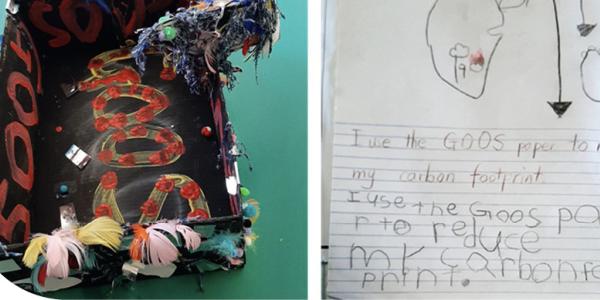
Throughout the day, the children organize a variety of waste collected from their snacks and lunch. This includes wrappers, juice boxes, aluminum foil, yogurt containers, plastic wraps, snack packages, and food scraps. “There’s too much garbage,” one child says, after seeing the amount of trash generated. “We need to help the Earth,” another adds. Children are soon brainstorming ways to create a more beautiful environment, laying the foundation for our class’s development of climate literacy.
Already a NAEYC Member? Log into your NAEYC Membership Portal to read the full article!
Not a member yet? Join now to read the full article!
Hongliang Hu, MEd, MA, is an early childhood educator and Ontario-certified teacher with over 10 years of experience in kindergarten at the Toronto District School Board (TDSB). She holds a specialist qualification in environmental education and is an active member of the environmental education action research team at TDSB EcoSchools, a collaboration with the Ontario Institute for Studies in Education at the University of Toronto.