NAEYC promotes high-quality early learning for all children, birth through age 8, by connecting practice, policy, and research. We advance a diverse early childhood profession and support all who care for, educate, and work on behalf of young children.
NAEYC promotes high-quality early learning for all children, birth through age 8, by connecting practice, policy, and research. We advance a diverse early childhood profession and support all who care for, educate, and work on behalf of young children.
NAEYC promotes high-quality early learning for all children, birth through age 8, by connecting practice, policy, and research. We advance a diverse early childhood profession and support all who care for, educate, and work on behalf of young children.
NAEYC promotes high-quality early learning for all children, birth through age 8, by connecting practice, policy, and research. We advance a diverse early childhood profession and support all who care for, educate, and work on behalf of young children.
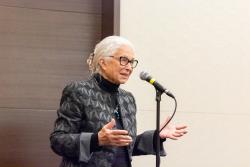
Nearly forty years ago, attendees at NAEYC’s 1987 Annual Conference were invited to visit Vivian Gussin Paley, the teacher and writer who contemplated children’s stories and fantasy play.
Barbara T. Bowman’s contributions to early childhood education over the course of seven decades have been felt at every level, including teacher education, professional development, public policy, and research.
NAEYC promotes high-quality early learning for all children, birth through age 8, by connecting practice, policy, and research. We advance a diverse early childhood profession and support all who care for, educate, and work on behalf of young children.
Authored by
Authored by:
Blythe F. Hinitz, Ed Greene, Barbara A. Willer, Sue Bredekamp
NAEYC promotes high-quality early learning for all children, birth through age 8, by connecting practice, policy, and research. We advance a diverse early childhood profession and support all who care for, educate, and work on behalf of young children.
One hundred years ago, Patty Smith Hill and her fellow pioneers in early education joined forces to support and learn from each other and to build a profession devoted to the care and education of young children.
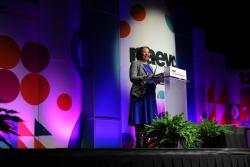
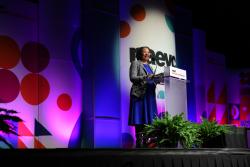
In her last NAEYC Annual Conference as Governing Board president, Tonia Durden reflected on her time on governing board and the future of early childhood education.
Welcome to NAEYC’s podcast, Small Talk: Big Ideas About Little Learners, where we dive into conversations that matter now – to little learners and the big people who show up for them.
This issue of Young Children explores what educator agency looks like in action, how it connects to intentional teaching, and how it benefits everyone in the early childhood ecosystem.
NAEYC promotes high-quality early learning for all children, birth through age 8, by connecting practice, policy, and research. We advance a diverse early childhood profession and support all who care for, educate, and work on behalf of young children.
NAEYC promotes high-quality early learning for all children, birth through age 8, by connecting practice, policy, and research. We advance a diverse early childhood profession and support all who care for, educate, and work on behalf of young children.
NAEYC promotes high-quality early learning for all children, birth through age 8, by connecting practice, policy, and research. We advance a diverse early childhood profession and support all who care for, educate, and work on behalf of young children.