Resources for Families on Behavior and Development

You are here
Understanding Your Child’s Behavior and Development
Understanding your child’s behavior is an important part of supporting their growth and learning. In this section, you’ll find research-based articles and practical strategies to help you respond to everyday behaviors, build strong relationships, and support your child’s social and emotional development. Explore guidance on common challenges, developmental milestones, and ways to encourage positive behavior at home.
Social and Emotional Development
Young children are learning how to express feelings, build relationships, and understand others. This section offers guidance on supporting emotional growth, building strong connections, and helping children develop confidence and empathy.
Resources

Understanding and Responding to Children Who Bite
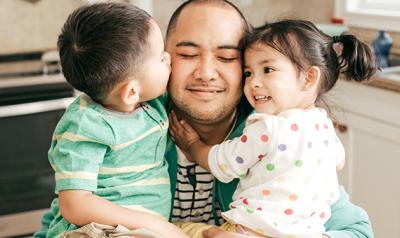
Observation: The Key to Understanding Your Child
10 Tips for Raising a Compassionate Infant-Toddler
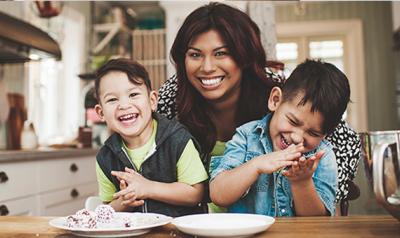
Building Social and Emotional Skills at Home

Raising a Thankful Child

Help Your Preschooler Gain Self-Control
Guidance and Positive Behavior
Children need support and consistent expectations as they learn how to manage their behavior. Explore practical strategies for guiding behavior in positive ways, responding to challenges, and helping children develop self-control and problem-solving skills.
Guidance Resources
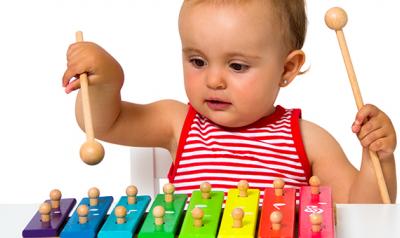
Positive Guidance Through the Ages

Am I Really My Child's First Teacher?
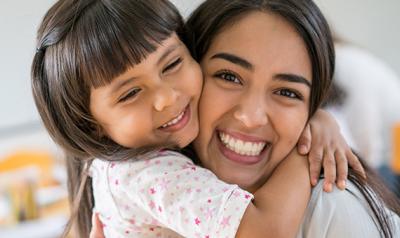
Help Your Child Become a Great Problem Solver

Encouraging Healthy Sleep Habits

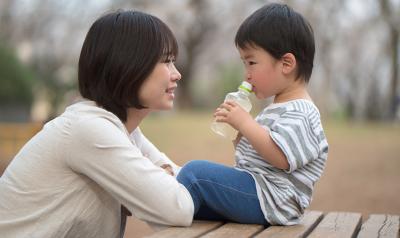
Guiding Children by Using Questions
Relationships and Family Connections
Strong relationships are at the heart of healthy development. This section shares ideas for building trust, communicating effectively, and creating meaningful moments that strengthen family bonds.
Resources on Relationships

Tips for Spending Quality Time With Your Child

Share Your Passions With Your Child
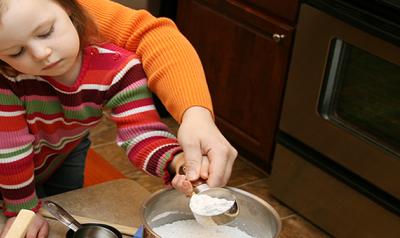

Talk It Up!

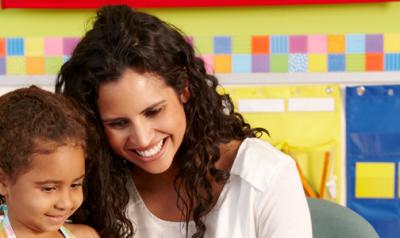
Celebrate Your Child’s Multilingualism!
More on Behavior and Development

Why Do Babies Like Boxes Best?
Coping with Violence

What's Too Scary?
Big Jobs at Home
Help Your Child Build Fine Motor Skills
Learning Through Everyday Experiences and Common Challenege
Children learn best through play, routines, and daily activities. They also experience moments of frustration, fear, or uncertainty. These resources help you respond with empathy and support, helping you discover simple ways to turn everyday moments into opportunities for learning, exploration, and growth.