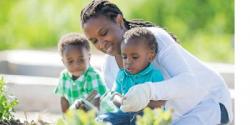
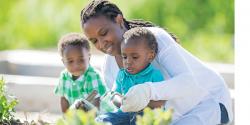
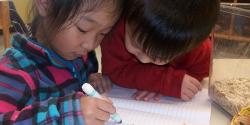
You don’t have to have a background in science to support children’s ability to think deeply about problems, develop and test hypotheses, and share their discoveries.
To enrich your summer break, we've pulled recommendations from the Hello discussion strand in which members introduce themselves and share their favorite children's book.
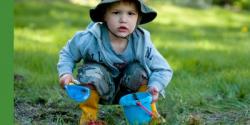
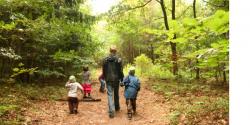
Forest schools are based on the belief that children benefit from being in nature, where they play and engage in open-ended, child-centered social and physical activity.
NAEYC promotes high-quality early learning for all children, birth through age 8, by connecting practice, policy, and research. We advance a diverse early childhood profession and support all who care for, educate, and work on behalf of young children.
The e-book version of the publication, Where’s the Math? Books, Games, and Routines to Spark Children’s Thinking. *All sales are final. Returns will not be honored
Vivian Paley’s contribution to the field of early childhood education and teacher education is certainly her approach to creating the space and opportunities for children to share their stories through storytelling and story acting, but it is much more.
What if there were a sturdier option than butterflies for learning about metamorphosis—one that children could hold? Good news! This is possible when you study mealworms.