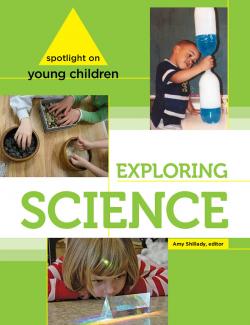
The research is clear: when we say children are “born scientists,” we’re not just being cute; they really are active scientists, right now, systematically and intentionally exploring their environments, even from the day they are born.
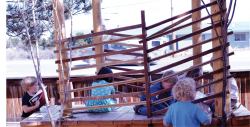
26 prekindergartners at Boulder Journey School had a problem. Over the course of the school year, they researched, designed, modeled, and redesigned solutions, which resulted in building a tree house
Authored by
Authored by:
Lauren Weatherly, Vicki Oleson, Lisa Ramond Kistner
Help your child develop the skills needed to think like a scientist, which will allow him or her to understand increasingly complex science concepts. Here are some ways to do that.
Help your child develop the skills needed to think like a scientist, which will allow him or her to understand increasingly complex science concepts. Here are some ways to do that.
Here are some ideas for involving your child in going green at home. You will reduce the resources your family uses, set a positive example, and help your child learn how to help take care of the world.
Bring the spirit of learning centers into your home with prop boxes—plastic bins or cardboard shoe boxes you fill with materials and props related to one topic, such as math or writing.
Those of us who have small toddler helpers may not have the loveliest veggies to show for it, but we have learned some important lessons along the way. Here are some tips.
Simple toys and tools can engage children as they explore natural phenomena in ways that will support their later science learning. Adults who allow children to play and work through small difficulties by themselves support children as they build an under