As the “First Lady of Children’s Music,” Ella Jenkins has spent more than 50 years working with children and teachers, helping educators incorporate music, diverse cultures, games, and movement into their early childhood programs.
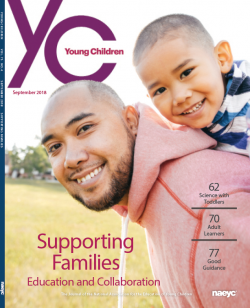
The kinds of involvement that make a difference in children’s learning and academic success are doable for all families. Here are some attitudes and actions that all families can embrace to enhance their child’s learning.
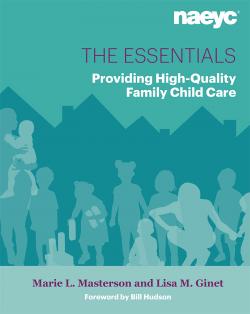
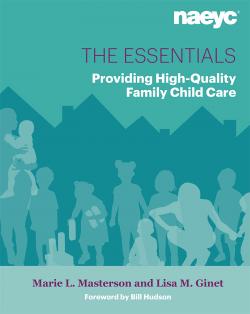
This book lays the groundwork family child care providers need to run a successful program in a warm, welcoming setting for children and their families.
Using books as inspiration for nurturing children’s early math language and understanding of math concepts is a natural fit for early education settings.
The five key components of creating a caring community of learners, as defined by NAEYC, provide examples of activities early childhood educators can incorporate through the year to build community; and highlight how the activities benefit all.
Authored by
Authored by:
Melissa A. Sreckovic, Tia R. Schultz, Christine K. Kenney, Harriet Able
Nuestras conversaciones me dejaron sorprendida por el compromiso considerable que Suecia ha hecho con garantizar que todos los niños en su país tengan acceso al aprendizaje temprano de calidad superior.
In conversations, I was struck by the substantial commitment Sweden has made to ensure all young children in that country have access to high-quality early learning.
In this article, we describe what we learned from our yearlong observation of children’s transitions from the infant to the toddler classroom at a university-based child care center (where the first author serves as faculty director).
In a recent study, my research colleagues and I found multiple benefits for children, families, and caregiving staff when COC is successfully implemented.
The key to mathematics with toddlers (and infants) is sportscasting—talking aloud using self-talk, parallel talk, and reflective speech—to highlight math concepts.
While participating in the diaper-changing routine, Lilly is learning language and self-help skills, and developing autonomy, self-regulation, and other capabilities.