Although researchers no longer adhere to the notion of fixed stages of development (Siegler 2016), the norms Gesell established are still used today by psychologists, educators, and pediatricians to predict developmental changes.
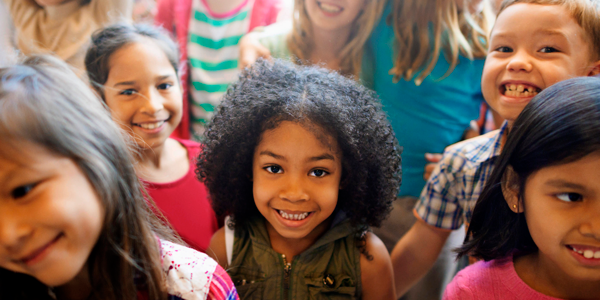
The five key components of creating a caring community of learners, as defined by NAEYC, provide examples of activities early childhood educators can incorporate through the year to build community; and highlight how the activities benefit all.
Authored by
Authored by:
Melissa A. Sreckovic, Tia R. Schultz, Christine K. Kenney, Harriet Able
Thanks to a nationwide parent education initiative called Every Child Ready to Read (ECRR), an increasing number of librarians are focusing on helping parents interact with their young children in meaningful ways to increase vocabulary development.
Authored by
Authored by:
Donna C. Celano, Jillian J. Knapczyk, Susan B. Neuman
Nuestras conversaciones me dejaron sorprendida por el compromiso considerable que Suecia ha hecho con garantizar que todos los niños en su país tengan acceso al aprendizaje temprano de calidad superior.
In conversations, I was struck by the substantial commitment Sweden has made to ensure all young children in that country have access to high-quality early learning.
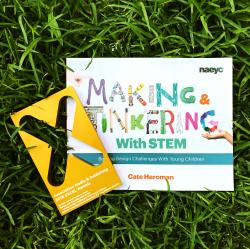
Whether you call them makerspaces, hackerspaces, or DIY labs, the idea is the same—they’re places where kids can tinker, invent, and build to their heart's content. They are great for fostering creativity and hands-on learning.
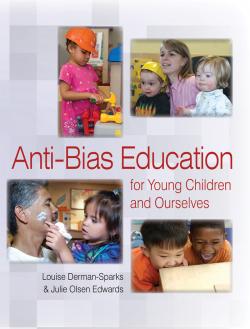
Anti-Bias Education for Young Children and Ourselves, by Louise Derman-Sparks and Julie Olsen Edwards, provides practical guidance to confronting and eliminating barriers of prejudice, misinformation, and bias
Tips from a licensed foster parent and early childhood educator on the best ways to support children in the foster care system, including resources that will help provide a safe and nurturing environment that assists individual needs.
A preschool teacher asked the families of her preK-4 program to reflect on their children’s experiences before the end of the school year. Read what they had to say, as well as the teacher's own observations about the impact of preschool learning.
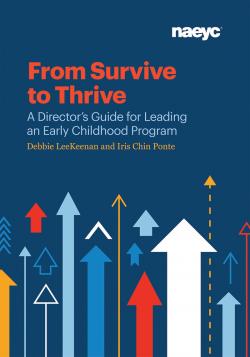
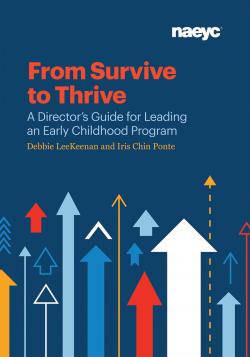
This guide, grounded in current research and based on the experiences of the authors as well as directors from across the country, blends theory with practical tips you can implement immediately.
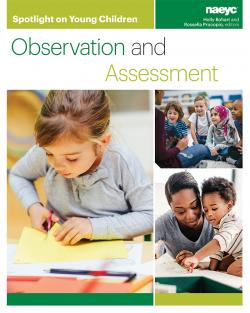
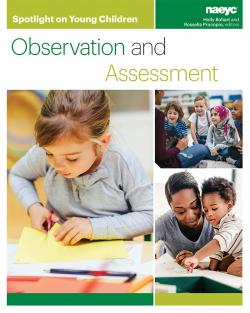
Find inspiration to intentionally develop and implement meaningful, developmentally appropriate observation and assessment practices to build responsive, joyful classrooms.